
Exploring Sacred Ancient Beauty and Wellness Practices

Beauty and wellness have been intertwined throughout human history. Across cultures, ancient and traditional practices reveal how people connected their appearance to overall health and spiritual balance. These sacred rituals often involved natural foods, herbs, and mindful routines that supported both inner and outer well-being. Understanding these time-tested methods offers valuable insights for anyone seeking a holistic approach to beauty today.

The Role of Sacred Rituals in Beauty and Wellness
Many ancient cultures viewed beauty as more than skin deep. It was a reflection of harmony between body, mind, and spirit. Sacred rituals often involved ceremonies, massages, and the use of natural elements believed to carry healing properties. These practices were passed down through generations, emphasizing respect for nature and the body’s innate ability to heal.
For example, in Ayurveda, the traditional Indian system of medicine, beauty is linked to balance among the three doshas (vata, pitta, kapha). Daily self-care routines like oil massages (abhyanga) and herbal steam treatments cleanse the body and calm the mind. Similarly, in Japan, the practice of forest bathing (shinrin-yoku) connects individuals with nature to reduce stress and improve skin health.
Food and Herbs as Foundations of Beauty
Ancient beauty rituals often centered on foods and herbs that nourish the skin from within. These natural ingredients provided vitamins, antioxidants, and minerals essential for healthy skin, hair, and nails.
Turmeric: Used in Indian and Middle Eastern cultures, turmeric contains curcumin, a powerful antioxidant and anti-inflammatory agent. It brightens skin and reduces blemishes.
Green Tea: Valued in East Asia, green tea is rich in polyphenols that protect skin from damage and promote a youthful appearance.
Rose Water: Common in Middle Eastern and South Asian traditions, rose water soothes irritated skin and balances complexion.
Aloe Vera: Used worldwide, aloe vera gel hydrates and heals skin, reducing inflammation and promoting regeneration.
Honey: Ancient Egyptians prized honey for its antibacterial properties and ability to moisturize skin deeply.
In addition to topical use, many cultures incorporated these herbs into their diets. Eating antioxidant-rich foods helped maintain skin elasticity and supported detoxification, which in turn enhanced natural beauty.
How These Practices Connect to Wellness
Beauty rituals in ancient traditions were rarely isolated from overall wellness. They often included meditation, breathwork, and movement, which improved circulation, reduced stress, and enhanced mental clarity. This holistic approach recognized that external beauty depends on internal health.
For instance, Native American tribes used sweat lodges to purify the body and mind, believing this cleansing would reflect in their appearance. In African cultures, hair care involved not only natural oils and herbs but also community bonding and storytelling, supporting emotional wellness.
By integrating food, herbs, and mindful practices, these traditions created a balanced lifestyle that nurtured the whole person. Modern science supports many of these ideas, showing how stress reduction, proper nutrition, and natural skincare improve skin health and slow aging.
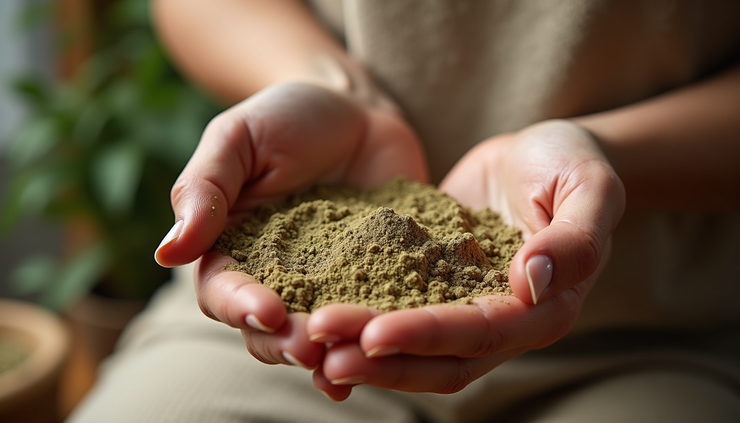
Practical Ways to Incorporate Ancient Wisdom Today
You don’t need to travel far or spend a fortune to benefit from these ancient beauty and wellness practices. Here are some simple ways to bring this wisdom into your daily routine:
Use natural ingredients: Try homemade masks with turmeric, honey, or aloe vera. These are gentle and effective for most skin types.
Eat skin-friendly foods: Include green tea, berries, nuts, and leafy greens in your diet to boost antioxidants.
Practice mindful self-care: Dedicate time for gentle massages, breathing exercises, or meditation to reduce stress.
Connect with nature: Spend time outdoors, walk barefoot on grass, or try forest bathing to refresh your mind and body.
Respect your body’s rhythms: Follow consistent sleep patterns and hydrate well to support natural detoxification.
By adopting these habits, you honor the connection between beauty and wellness that ancient cultures understood deeply.



Comments