
Nourishing the Mind and Body: Community and Nutrition's Role in Healing Postpartum Depression for Black Mothers

Postpartum depression affects many new mothers, but Black mothers often face unique challenges that can make recovery harder. Nutrition plays a vital role in healing the body and mind during this time. Equally important is the support of a caring community, which has been a cornerstone of maternal care across cultures for centuries. This post explores how food and community work together to support Black mothers through postpartum depression, highlighting traditions, nutrition education, and practical steps for healing.
The Power of Community in Postpartum Care
In many cultures, new mothers are surrounded by family and friends who bring meals, offer help, and provide emotional support. This network helps ease the physical and mental strain of childbirth and early motherhood. For Black mothers, community care can be a protective factor against postpartum depression.
Shared responsibility: Family and friends often take turns preparing meals and caring for the baby, allowing the mother to rest and recover.
Emotional support: Conversations, encouragement, and presence help mothers feel less isolated.
Cultural rituals: Specific foods and practices are used to restore strength and balance, showing respect for the mother’s needs.
In African American communities, traditions like the “church family” or neighborhood support groups often step in to provide meals and care. These acts of kindness are more than practical help—they reinforce a sense of belonging and resilience.
Food as Medicine: Traditional Nutritional Practices
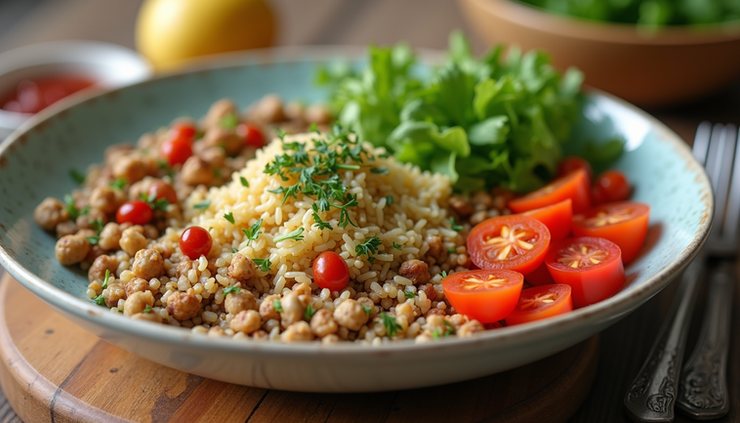
Different cultures have long recognized the healing power of food for postpartum recovery. Special diets focus on nourishing the body’s systems, boosting energy, and supporting mental health.
Protein-rich foods: Meats, beans, and fish help rebuild tissues and support hormone balance.
Leafy greens and vegetables: Rich in vitamins and minerals, they aid in healing and reduce inflammation.
Whole grains: Provide steady energy and support brain function.
Herbs and spices: Ingredients like ginger, turmeric, and fenugreek are used for their anti-inflammatory and mood-enhancing properties.
For example, in West African traditions, mothers often eat soups made with nutrient-dense greens and spices believed to restore strength. In the Southern United States, dishes like collard greens, sweet potatoes, and cornbread are staples that provide essential nutrients and comfort.
Nutrition Education Before and After Pregnancy
Understanding nutrition’s role in mental health is crucial for mothers before and after childbirth. Education can empower women to make choices that support their well-being and reduce the risk of postpartum depression.
Prenatal nutrition: Focus on foods rich in folate, iron, and omega-3 fatty acids to support brain development and mood regulation.
Postpartum nutrition: Emphasize foods that replenish energy, support lactation, and promote healing.
Mental health connection: Nutrients like vitamin D, magnesium, and B vitamins are linked to mood stabilization.
Healthcare providers and community programs can offer workshops, cooking classes, and resources tailored to Black mothers’ cultural preferences and needs. This approach respects traditions while providing up-to-date nutritional guidance.

Practical Tips for Supporting Black Mothers Through Nutrition and Community
Supporting a mother’s mental health after childbirth requires a combined effort of good nutrition and community care. Here are practical ways to help:
Organize meal trains: Friends and family can coordinate to bring balanced meals during the first weeks after birth.
Encourage rest and self-care: Community members can assist with household chores and childcare.
Share traditional recipes: Passing down culturally meaningful dishes helps mothers feel connected and cared for.
Promote nutrition education: Clinics and community centers can offer accessible classes on postpartum nutrition.
Create support groups: Spaces where mothers can share experiences and advice reduce feelings of isolation.
By focusing on these areas, communities can create a nurturing environment that supports both physical recovery and emotional healing.
The Role of Nutrition in Mental Health Recovery
Research shows that diet influences brain chemistry and mood. Nutrient deficiencies can worsen symptoms of depression, while a balanced diet supports neurotransmitter function and reduces inflammation.
Omega-3 fatty acids: Found in fish and flaxseeds, they support brain health.
Complex carbohydrates: Help regulate serotonin, a mood-stabilizing neurotransmitter.
Antioxidants: Present in fruits and vegetables, they protect brain cells from damage.
Hydration: Adequate water intake is essential for overall health and cognitive function.
For Black mothers, who may face disparities in healthcare access, focusing on nutrition can be a powerful, accessible tool in managing postpartum depression.
Building a Strong Foundation for Future Generations
Investing in nutrition education and community support for Black mothers has long-term benefits. Healthy mothers are better able to care for their children, creating a positive cycle of wellness.
Early nutrition education: Teaching girls and young women about nutrition prepares them for healthy pregnancies.
Community involvement: Strengthening networks ensures mothers receive ongoing support.
Cultural respect: Honoring traditional foods and practices fosters pride and identity.
Together, these efforts can reduce postpartum depression rates and improve outcomes for families.



Comments